
Introduction
Smart technology innovations are transforming the way people live, work, communicate, and manage daily activities. From intelligent home systems to advanced healthcare devices, technology is becoming more connected and efficient every year. These innovations are not only improving convenience but also helping businesses and individuals save time, reduce costs, and increase productivity.
In recent years, smart technology innovations have become more accessible to ordinary consumers. Devices that once seemed futuristic are now common in homes, schools, hospitals, and offices. Smart assistants, wearable gadgets, automated security systems, and artificial intelligence tools are changing industries at a rapid pace.
At the same time, people are becoming more interested in learning how these technologies work and how they can improve daily life. Businesses are also investing heavily in digital transformation to stay competitive in a fast-changing market.
This article explains everything beginners and intermediate readers need to know about smart technology innovations. It covers their importance, benefits, disadvantages, common mistakes, expert tips, and future possibilities. Whether you want to understand the basics or stay updated with modern trends, this guide will help you explore the exciting world of smart technology.
What is Smart Technology Innovations?
Smart technology innovations refer to modern technological advancements designed to improve efficiency, automation, communication, and convenience. These technologies use data, artificial intelligence, sensors, cloud computing, and internet connectivity to perform tasks intelligently.
Smart technology can be found in almost every industry today. Examples include:
- Smart home systems
- Wearable fitness devices
- Automated vehicles
- Smart healthcare equipment
- Intelligent security systems
- Voice-controlled assistants
- Smart educational platforms
- Industrial automation tools
The goal of smart technology innovations is to simplify human activities while improving accuracy and performance. These systems often learn from user behavior and adapt over time to provide better experiences.
For example, a smart thermostat can learn a family’s daily routine and automatically adjust room temperature to save energy. Similarly, wearable fitness trackers monitor heart rate, sleep quality, and physical activity to help users maintain better health.
As technology continues to evolve, smart innovations are becoming more intelligent, faster, and more connected.
Why is Smart Technology Innovations Important?
Smart technology innovations are important because they improve efficiency, reduce manual work, and create better user experiences. Modern societies rely heavily on technology for communication, healthcare, transportation, education, and business operations.
One major reason these innovations matter is automation. Businesses can automate repetitive tasks, reducing human errors and increasing productivity. This helps companies save money and improve service quality.
Another important factor is convenience. Smart devices allow people to control appliances, monitor security systems, and access information instantly from smartphones or computers.
Healthcare is also benefiting significantly from smart technology innovations. Doctors can monitor patients remotely using wearable devices and digital health systems. This improves patient care and reduces hospital workload.
Education has changed as well. Online learning platforms, smart classrooms, and interactive educational tools make learning more engaging and accessible.
Environmental sustainability is another reason smart technology matters. Smart energy systems help reduce electricity waste and improve resource management.
Additionally, smart technology innovations are driving economic growth by creating new industries, business opportunities, and employment options around the world.
Detailed Step-by-Step Guide
Step 1: Understand the Basics of Smart Technology
Before using advanced systems, it is important to understand the basic concepts behind smart technology innovations.
Key technologies include:
- Artificial Intelligence
- Internet of Things
- Cloud Computing
- Machine Learning
- Data Analytics
- Automation Systems
Learning these concepts helps users understand how smart devices communicate and operate.
Step 2: Identify Your Needs
Different people use smart technology for different purposes. Some focus on convenience while others prioritize security, productivity, or entertainment.
Ask yourself these questions:
- What problems do you want technology to solve?
- What tasks consume most of your time?
- Which areas of your life need improvement?
- What is your budget?
Understanding your needs helps you choose suitable smart technology products.
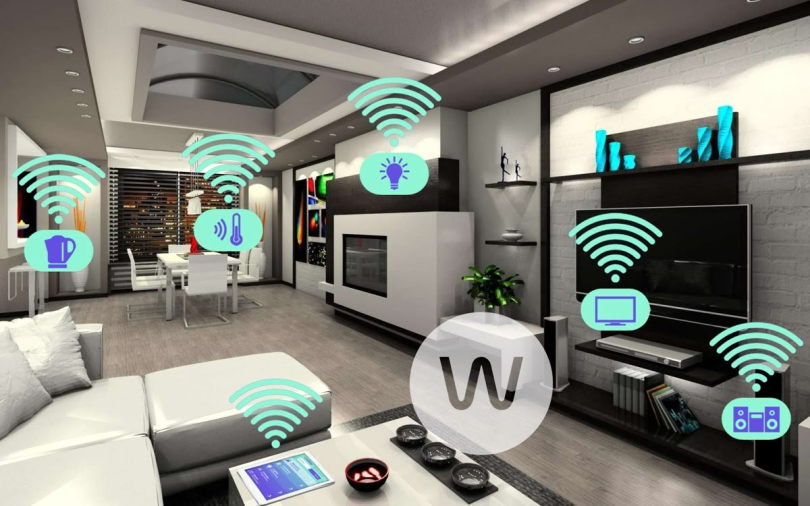
Step 3: Start with Smart Home Devices
Smart home technology is one of the easiest ways to experience smart technology innovations.
Popular smart home devices include:
- Smart lights
- Smart speakers
- Smart security cameras
- Smart locks
- Smart thermostats
- Smart TVs
These devices can often be controlled using mobile apps or voice assistants.
Step 4: Learn About Internet Connectivity

Most smart technology innovations depend on stable internet connections.
To ensure smooth performance:
- Use reliable Wi-Fi
- Secure your network with strong passwords
- Update router firmware regularly
- Avoid connecting too many unnecessary devices
Strong internet security protects personal information and prevents unauthorized access.
Step 5: Explore Wearable Technology
Wearable devices are becoming increasingly popular.
Examples include:
- Smartwatches
- Fitness trackers
- Smart glasses
- Health monitoring devices
These products provide real-time data related to health, fitness, and communication.
Step 6: Use Smart Technology for Productivity
Businesses and professionals use smart technology innovations to improve efficiency.
Useful productivity tools include:
- Cloud storage systems
- Project management platforms
- Virtual meeting software
- AI-powered scheduling tools
- Smart collaboration systems
These technologies help teams communicate and manage tasks more effectively.
Step 7: Focus on Data Privacy
Smart devices collect large amounts of data. Users should always protect their personal information.
Important safety practices include:
- Using strong passwords
- Enabling two-factor authentication
- Reviewing privacy settings
- Updating software regularly
- Avoiding suspicious applications
Cybersecurity is essential in the digital age.
Step 8: Stay Updated with New Trends
Technology changes rapidly. Following industry trends helps users remain informed about new innovations and opportunities.
Popular trends include:
- Artificial intelligence automation
- Smart healthcare systems
- Electric vehicles
- Robotics
- Smart cities
- Virtual reality
- Augmented reality
Continuous learning is important for adapting to technological advancements.
Benefits of Smart Technology Innovations
Smart technology innovations provide many advantages for individuals and businesses.
- Improved convenience in daily life
- Faster communication and information sharing
- Better energy efficiency
- Enhanced home and workplace security
- Increased productivity and automation
- Improved healthcare monitoring
- Better learning opportunities through digital education
- Reduced operational costs for businesses
- More personalized user experiences
- Greater accessibility for people with disabilities
- Better resource management
- Improved customer service experiences
- Faster data processing and analysis
- Time-saving automation features
- Support for remote work and collaboration
These benefits explain why smart technology innovations continue growing worldwide.
Disadvantages / Risks
Despite the advantages, smart technology innovations also come with certain risks and challenges.
- Privacy concerns due to data collection
- Cybersecurity threats and hacking risks
- High installation and maintenance costs
- Dependence on internet connectivity
- Technical malfunctions and software issues
- Reduced human interaction in some situations
- Job displacement due to automation
- Compatibility problems between devices
- Rapid technological changes causing outdated systems
- Potential misuse of artificial intelligence
- Increased screen time and digital dependency
- Learning difficulties for non-technical users
Understanding these risks helps users make smarter decisions when adopting new technology.
Common Mistakes to Avoid
Many people make avoidable mistakes when using smart technology innovations.
Ignoring Security Updates
Failing to update software can expose devices to security threats.
Always install updates regularly to improve performance and protection.
Using Weak Passwords
Simple passwords increase the risk of hacking.
Use strong passwords that include numbers, symbols, and mixed letters.
Buying Unnecessary Devices
Some users purchase smart devices without understanding their actual needs.
Focus on products that provide real value and practical benefits.
Ignoring Privacy Settings
Many smart devices collect personal data automatically.
Users should review privacy settings carefully before using devices.
Overcomplicating Smart Systems
Installing too many devices at once can create confusion and technical issues.
Start with simple systems and expand gradually.
Not Researching Product Compatibility
Some devices may not work properly together.
Always check compatibility before purchasing smart products.
Depending Completely on Automation
Technology is helpful, but complete dependence can create problems during technical failures.
Maintain balance between automation and manual control.
FAQs
What are smart technology innovations?
Smart technology innovations are advanced digital systems and devices designed to improve automation, communication, convenience, and efficiency using internet connectivity, sensors, and artificial intelligence.
How do smart devices work?
Smart devices use software, sensors, and internet connections to collect data and perform tasks automatically. Many devices can also be controlled remotely through mobile applications.
Are smart technology innovations expensive?
The cost depends on the type of technology. Basic smart home devices are affordable for many users, while advanced industrial systems may require larger investments.
Is smart technology safe to use?
Smart technology is generally safe when users follow cybersecurity practices such as updating software, using strong passwords, and enabling security settings.
What industries use smart technology innovations?
Many industries use smart technology, including healthcare, education, transportation, manufacturing, retail, entertainment, agriculture, and finance.
Can smart technology save energy?
Yes. Smart energy systems, thermostats, and automated lighting solutions help reduce electricity consumption and improve efficiency.
What is the role of artificial intelligence in smart technology?
Artificial intelligence helps systems analyze data, learn user behavior, automate tasks, and improve decision-making processes.
Are smart homes worth investing in?
Smart homes can improve convenience, security, and energy efficiency. They are often considered valuable investments for modern living.
Expert Tips & Bonus Points
Experts recommend starting small when adopting smart technology innovations.
Begin with one or two useful devices before expanding your system. This approach reduces confusion and allows users to learn gradually.
Always prioritize security when using connected devices. Strong passwords, software updates, and secure networks are essential.
Another important tip is choosing reliable brands with strong customer support and regular software updates.
Users should also focus on practical benefits instead of buying technology simply because it is popular.
Businesses can benefit by integrating automation tools that improve productivity and reduce repetitive tasks.
Students and professionals should continue learning digital skills because future careers will rely heavily on smart technology innovations.
Here are some bonus points to remember:
- Compare products before purchasing
- Read customer reviews carefully
- Check warranty and support services
- Use energy-efficient smart devices
- Learn basic troubleshooting skills
- Back up important digital data regularly
- Monitor device permissions and privacy settings
- Avoid downloading untrusted applications
Technology evolves quickly, so staying informed is one of the most valuable habits users can develop.
Conclusion
Smart technology innovations are reshaping the modern world in remarkable ways. From smart homes and wearable devices to advanced healthcare systems and industrial automation, technology is becoming an essential part of daily life. These innovations improve convenience, communication, productivity, and efficiency while creating new opportunities for businesses and individuals.
Although smart technology offers many advantages, users must also understand the potential risks related to privacy, cybersecurity, and overdependence on automation. Responsible use of technology is important for maintaining safety and balance.
For beginners and intermediate users, the best approach is to start with practical devices that solve real problems. Learning the basics of digital security and staying updated with modern trends can help users gain maximum benefits from smart technology innovations.
The future of technology will likely include even more intelligent systems powered by artificial intelligence, automation, and connected networks. Smart cities, self-driving vehicles, advanced healthcare monitoring, and virtual experiences may soon become part of everyday life.
As innovation continues growing, people who understand and adapt to smart technology will be better prepared for future opportunities. Whether for personal use, education, or business development, smart technology innovations are becoming one of the most important driving forces of the digital age.