
Introduction
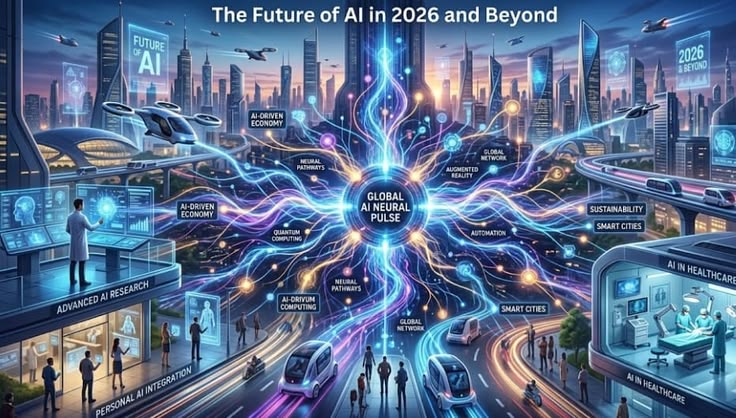
Emerging Technologies 2026 is becoming one of the most discussed topics in the digital world. Businesses, students, professionals, and technology enthusiasts are paying close attention to the latest innovations transforming industries and daily life. From artificial intelligence and smart automation to green technology and advanced robotics, modern solutions are changing the way people communicate, work, shop, travel, and learn.
Technology continues to evolve rapidly, and many industries are preparing for major digital transformation. Companies are investing heavily in automation, cybersecurity, cloud computing, smart healthcare systems, and advanced data analysis. As a result, organizations are becoming more efficient, productive, and customer focused.
At the same time, individuals are also benefiting from modern innovations. Smart devices, faster internet systems, virtual collaboration tools, and personalized digital services are making life more convenient. Educational institutions are adopting advanced learning platforms, while healthcare providers are using intelligent systems to improve patient care.
Understanding Emerging Technologies 2026 is important because these innovations will influence future careers, businesses, and economic growth. Beginners and intermediate learners can gain valuable knowledge by exploring how modern technology works and how it impacts society. This article explains important trends, benefits, risks, practical applications, expert strategies, and common mistakes to avoid while understanding the future of technology.
What is Emerging Technologies 2026?
Emerging Technologies 2026 refers to new and rapidly growing technologies expected to influence industries and societies significantly during the year 2026 and beyond. These technologies are designed to improve efficiency, solve complex problems, reduce operational costs, and create innovative opportunities for businesses and consumers.
Several advanced technologies are becoming increasingly important across global markets. Artificial intelligence is helping companies automate repetitive tasks and analyze large amounts of data quickly. Machine learning systems are improving customer experiences through personalization and predictive analytics.
Another major area includes smart automation and robotics. Manufacturing companies are using robots for production processes, while service industries are introducing automated customer support systems. Healthcare organizations are implementing intelligent medical tools for diagnosis and treatment support.
Blockchain technology is also expanding beyond cryptocurrency applications. Businesses are using secure decentralized systems for financial transactions, data storage, and supply chain management. Meanwhile, renewable energy innovations are helping organizations reduce environmental impact and improve sustainability.
In simple terms, Emerging Technologies 2026 represents the next generation of innovations shaping the future of communication, business operations, education, transportation, healthcare, entertainment, and global connectivity.
Why is Emerging Technologies 2026 Important?
Emerging Technologies 2026 is important because it creates new opportunities for economic development, business growth, and improved lifestyles. Modern technology is helping organizations adapt to changing consumer expectations while increasing operational efficiency.
One of the biggest reasons these technologies matter is productivity improvement. Businesses can automate repetitive tasks, reduce human errors, and improve overall performance through advanced systems and intelligent software.
Another important factor is innovation. Companies that adopt modern technologies often gain competitive advantages. They can deliver faster services, create better products, and improve customer satisfaction.
Technology also supports global communication and collaboration. Remote work tools, cloud platforms, and virtual meeting systems allow people to work together from different locations efficiently.
Healthcare advancements are another important benefit. Intelligent medical systems can help doctors diagnose diseases earlier, monitor patients remotely, and improve treatment planning.
Educational institutions are also experiencing significant changes. Digital learning platforms, virtual classrooms, and smart educational tools make learning more accessible and flexible for students worldwide.
Additionally, Emerging Technologies 2026 contributes to sustainability efforts. Green energy solutions, smart transportation systems, and efficient resource management technologies help reduce environmental challenges and support long term development.
Detailed Step-by-Step Guide
Understanding Artificial Intelligence
Artificial intelligence is one of the most powerful innovations in Emerging Technologies 2026. AI systems can analyze information, automate tasks, and make predictions using advanced algorithms.
Businesses use AI for customer service chat systems, personalized marketing campaigns, fraud detection, and data analysis. Educational institutions use AI driven learning platforms to improve student experiences.
To understand AI effectively, beginners should start by learning basic concepts such as machine learning, neural networks, and data processing. Online courses, tutorials, and practical projects can help build foundational knowledge.
Exploring Smart Automation
Automation technology is rapidly transforming industries. Smart automation combines software systems, robotics, and intelligent tools to perform tasks with minimal human involvement.
Manufacturing companies use automation for assembly lines and quality control. Retail businesses use automated inventory management systems. Customer support teams implement virtual assistants to handle common inquiries.
Learning automation involves understanding workflows, business operations, and software integration. Individuals interested in this field should focus on digital tools, process optimization, and system management.
Learning About Cybersecurity
As technology advances, cybersecurity becomes increasingly important. Businesses and individuals face growing threats from data breaches, online fraud, and cyberattacks.
Cybersecurity technologies help protect digital systems, personal information, and business networks. Companies invest in advanced security software, encryption methods, and monitoring systems.
People interested in cybersecurity should learn about online safety practices, password management, network protection, and threat detection strategies. Developing cybersecurity awareness is essential in modern digital environments.
Understanding Blockchain Technology
Blockchain technology is gaining popularity in multiple industries. It provides secure, transparent, and decentralized systems for storing and sharing information.
Financial institutions use blockchain for secure transactions, while supply chain companies use it to improve tracking and transparency. Healthcare organizations can also use blockchain to manage patient records securely.
Beginners can start by understanding how decentralized systems work and how digital records are verified across networks. Practical examples help simplify complex blockchain concepts.
Exploring Green Technology
Sustainability is becoming a major focus in Emerging Technologies 2026. Green technology includes renewable energy systems, environmentally friendly manufacturing methods, and energy efficient devices.
Solar power systems, electric vehicles, and smart energy management tools are becoming increasingly popular worldwide. Governments and businesses are investing in eco friendly solutions to reduce environmental impact.
Learning about green technology involves understanding renewable energy sources, environmental sustainability, and energy conservation strategies.
Adopting Cloud Computing
Cloud computing allows businesses and individuals to store, manage, and access data online instead of relying on traditional physical systems.
Companies use cloud platforms for collaboration, data storage, software access, and remote work management. Cloud technology improves flexibility, scalability, and operational efficiency.
People interested in cloud computing should learn about online platforms, digital storage systems, and data management tools.
Understanding Internet of Things
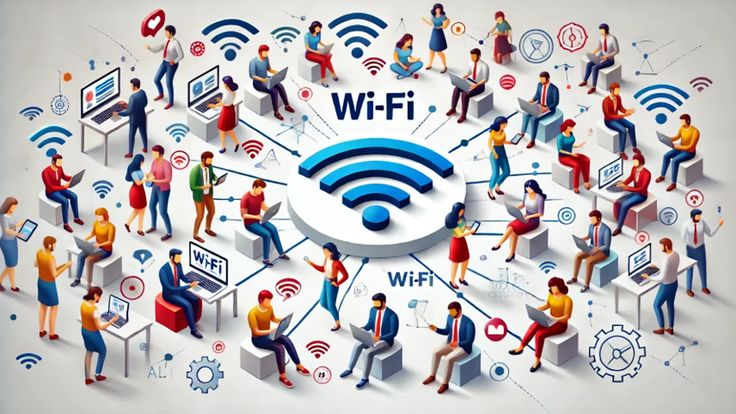
The Internet of Things connects smart devices through the internet. These connected systems collect and share data to improve convenience and efficiency.
Smart homes, wearable fitness devices, and connected industrial systems are common examples. Businesses use IoT technology for monitoring equipment, improving logistics, and optimizing operations.
Beginners can understand IoT by exploring smart devices, connectivity systems, and data communication methods.
Exploring Advanced Robotics
Robotics technology continues to expand in healthcare, manufacturing, logistics, and customer service industries.
Modern robots can assist in surgeries, warehouse management, product assembly, and repetitive industrial tasks. Advanced robotics improves accuracy, safety, and productivity.
Understanding robotics requires learning about automation systems, programming basics, and machine operations.
Benefits of Emerging Technologies 2026
- Improves business productivity and efficiency
- Reduces operational costs for organizations
- Enhances customer experiences and personalization
- Supports remote work and global collaboration
- Creates new career opportunities in technology industries
- Improves healthcare services and medical research
- Encourages innovation and business growth
- Enhances educational accessibility through digital learning
- Supports environmental sustainability initiatives
- Strengthens communication and connectivity worldwide
- Helps organizations analyze data more effectively
- Increases automation for repetitive tasks
- Improves transportation and logistics management
- Supports faster decision making through intelligent systems
- Encourages smart city development and infrastructure improvement
Disadvantages / Risks
- Increased cybersecurity threats and online attacks
- Privacy concerns related to personal data collection
- High implementation costs for advanced systems
- Potential job displacement due to automation
- Dependence on digital infrastructure and internet access
- Technical skill gaps among employees and students
- Ethical concerns regarding artificial intelligence decisions
- Risks of misinformation through automated systems
- Challenges in managing large amounts of digital data
- Environmental impact from electronic waste production
- Possible system failures affecting critical services
- Complex regulations and compliance requirements
Common Mistakes to Avoid
Many individuals and businesses make mistakes when adopting modern technology. Avoiding these errors can improve long term success and reduce unnecessary challenges.
One common mistake is adopting technology without proper planning. Businesses sometimes invest in expensive systems without understanding their actual needs or goals. Proper research and strategy development are essential before implementation.
Another mistake is ignoring cybersecurity measures. Companies that fail to protect sensitive information may experience data breaches and financial losses. Strong passwords, secure systems, and regular updates are necessary.
Some organizations also underestimate employee training. Introducing advanced technology without proper education can reduce productivity and create confusion among workers.
Ignoring scalability is another major problem. Businesses should choose technologies that can grow with future operational demands.
Many people also focus only on trends rather than practical value. Not every technology solution is suitable for every business or individual situation.
Finally, failing to monitor performance after implementation can reduce efficiency. Organizations should regularly evaluate systems and make improvements based on performance data.
FAQs
What are the most important Emerging Technologies 2026 trends?
The most important trends include artificial intelligence, automation, cloud computing, cybersecurity, blockchain, robotics, green technology, and Internet of Things systems. These technologies are transforming industries and creating new opportunities worldwide.
Why is artificial intelligence growing so rapidly?
Artificial intelligence helps businesses automate tasks, analyze large amounts of data, improve customer experiences, and reduce operational costs. Its ability to increase efficiency makes it highly valuable across many industries.
How does cloud computing benefit businesses?
Cloud computing improves flexibility, supports remote collaboration, reduces infrastructure costs, and allows organizations to access data securely from different locations.
What are the risks associated with advanced technology?
Some major risks include cybersecurity threats, privacy concerns, high implementation costs, ethical challenges, and potential job displacement caused by automation.
Can beginners learn Emerging Technologies 2026 concepts easily?
Yes, beginners can learn these concepts gradually through online courses, tutorials, practical projects, and consistent research. Starting with basic concepts helps build strong foundational knowledge.
Why is cybersecurity important in 2026?
As businesses and individuals rely more on digital systems, protecting sensitive information becomes increasingly important. Cybersecurity helps prevent data breaches, fraud, and online attacks.
How does technology support sustainability?
Modern technologies support sustainability through renewable energy systems, smart transportation solutions, efficient resource management, and environmentally friendly production methods.
Which industries benefit the most from emerging technologies?
Healthcare, finance, education, manufacturing, transportation, retail, and communication industries benefit significantly from modern technological innovations.
Expert Tips & Bonus Points
Stay updated with technology news and industry developments regularly. Understanding trends early can help individuals and businesses prepare for future opportunities.
Focus on practical learning instead of only theoretical knowledge. Hands on projects and real world applications improve understanding and skill development.
Develop strong digital literacy skills. Basic knowledge of cybersecurity, data management, and online communication is essential in modern environments.
Businesses should invest in employee training programs before implementing advanced technologies. Skilled teams can maximize productivity and reduce operational challenges.
Networking with industry professionals can also provide valuable insights and career opportunities. Online communities, webinars, and technology conferences are useful learning resources.
Another important strategy is balancing innovation with security. Organizations should adopt advanced systems while maintaining strong data protection practices.
Individuals interested in technology careers should build adaptable skills because the digital industry changes rapidly. Continuous learning helps professionals remain competitive.
Small businesses should begin with scalable solutions rather than investing heavily in complex systems immediately. Gradual implementation often produces better long term results.
Finally, maintaining ethical practices is essential while using advanced technologies. Responsible innovation helps create trust, improves customer relationships, and supports sustainable growth.
Conclusion
Emerging Technologies 2026 is shaping the future of industries, businesses, education, healthcare, and everyday life. Modern innovations such as artificial intelligence, cloud computing, robotics, cybersecurity, automation, and green technology are creating significant changes across global markets.
These technologies provide numerous benefits, including improved efficiency, enhanced communication, better healthcare services, and stronger business growth opportunities. Companies that adapt to digital transformation can improve customer satisfaction, increase productivity, and remain competitive in rapidly evolving markets.
However, adopting advanced technology also involves challenges. Cybersecurity risks, privacy concerns, implementation costs, and skill gaps require careful planning and responsible management. Organizations and individuals must balance innovation with security and ethical practices.
For beginners and intermediate learners, understanding Emerging Technologies 2026 is an important step toward future career development and digital awareness. Learning about modern innovations can open new opportunities in business, education, and professional growth.
Technology will continue evolving beyond 2026, influencing nearly every aspect of society. Staying informed, developing adaptable skills, and embracing responsible innovation will help individuals and organizations succeed in increasingly digital environments.
As industries continue transforming, those who understand emerging technologies will be better prepared to navigate future challenges and take advantage of exciting opportunities. The future of technology is filled with innovation, creativity, and progress, making this an ideal time to explore and understand the digital world more deeply.