
Introduction
Future Gadgets and Technology are rapidly reshaping how humans live, work, and communicate. From artificial intelligence-powered devices to fully automated smart homes, innovation is moving faster than ever before. These advancements are not just improving convenience but also transforming entire industries such as healthcare, education, transportation, and entertainment.
In the coming years, Future Gadgets and Technology will become deeply integrated into everyday life. Devices will not only respond to commands but also predict needs, learn behaviors, and make independent decisions. This shift is creating a smarter and more connected world where digital and physical environments blend seamlessly.
As technology evolves, people are witnessing the rise of wearable devices, autonomous systems, robotics, and immersive virtual environments. These innovations are designed to enhance productivity, improve safety, and deliver personalized experiences like never before.
Understanding Future Gadgets and Technology is essential for anyone who wants to stay ahead in this digital era. Whether you are a student, professional, or business owner, these advancements will influence your lifestyle and opportunities in the near future.
What is Future Gadgets and Technology?
Future Gadgets and Technology refer to next-generation electronic devices, smart systems, and innovative tools designed using advanced computing, artificial intelligence, and automation. These technologies aim to improve human life by increasing efficiency, accuracy, and convenience.
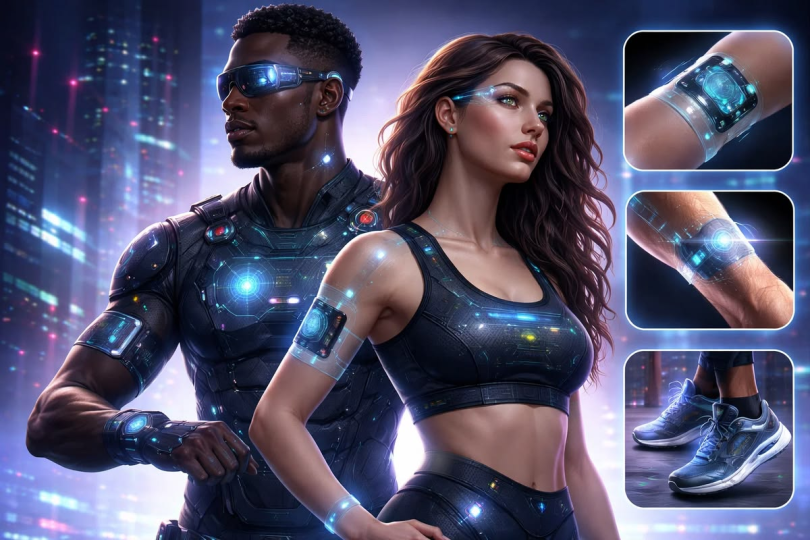
Unlike traditional gadgets, Future Gadgets and Technology are built with intelligent capabilities. They can analyze data, connect with other devices, and adapt to user behavior over time. Examples include smart glasses, AI-powered assistants, wearable health monitors, autonomous vehicles, and smart home ecosystems.
These technologies are developed using a combination of artificial intelligence, machine learning, robotics, Internet of Things (IoT), and advanced sensors. Together, they create an interconnected digital environment where devices communicate and operate seamlessly.
In simple terms, Future Gadgets and Technology represent the evolution of modern tools into intelligent systems that think, learn, and act independently to support human needs.
Why is Future Gadgets and Technology Important?
The importance of Future Gadgets and Technology lies in their ability to solve real-world problems and improve quality of life. These innovations are not just luxury items but essential tools for modern living.
One of the key reasons they matter is efficiency. Smart devices reduce manual effort and automate repetitive tasks, saving time and energy. For example, AI-powered systems can manage schedules, control home appliances, and even monitor health conditions.
Another important factor is connectivity. Future Gadgets and Technology enable seamless communication between devices, creating smart ecosystems that work together. This improves coordination in homes, workplaces, and cities.
Additionally, these technologies enhance safety. From self-driving cars to advanced medical monitoring systems, they help reduce risks and prevent accidents.
Finally, they drive economic growth. Industries adopting Future Gadgets and Technology experience higher productivity, innovation, and global competitiveness.
Detailed Step-by-Step Guide
Understanding Core Technologies
To understand Future Gadgets and Technology, it is important to learn about the core technologies behind them. These include artificial intelligence, machine learning, robotics, and IoT systems. Each plays a crucial role in making devices smarter and more responsive.
How Smart Devices Learn
Modern gadgets collect data from user interactions and environments. This data is processed using algorithms that allow devices to learn patterns and improve performance over time.
Integration with Daily Life
Future gadgets are designed to integrate into daily routines. From waking up with smart alarms to automated transportation, these devices simplify everyday tasks.
Evolution of Connectivity
With 5G and upcoming 6G networks, Future Gadgets and Technology will operate faster and more efficiently. This ensures real-time communication between devices without delays.
Role of Artificial Intelligence
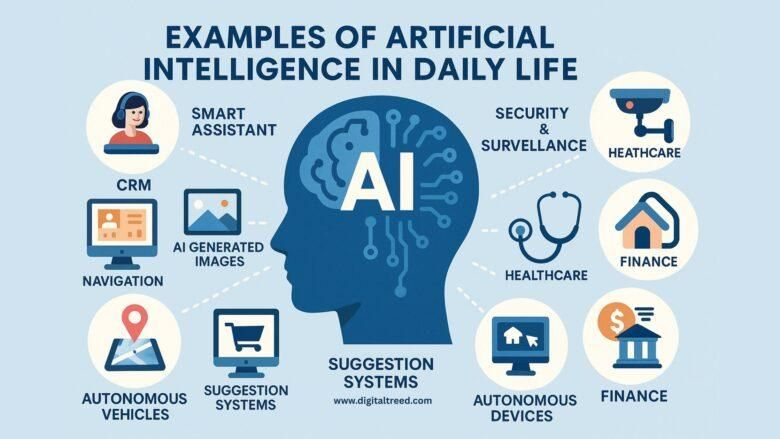
Artificial intelligence acts as the brain behind modern gadgets. It enables decision-making, voice recognition, predictive analysis, and automation in smart systems.
Benefits of Future Gadgets and Technology
- Increased efficiency in daily tasks and professional work
- Improved communication through smart and connected systems
- Enhanced healthcare monitoring and early disease detection
- Better safety through automation and smart surveillance
- Time-saving automation in homes and workplaces
- Personalized user experiences based on behavior and preferences
- Advanced learning tools for education and skill development
- Higher productivity in industries and businesses
Disadvantages / Risks
- High cost of advanced gadgets and technologies
- Privacy concerns due to data collection and tracking
- Over-dependence on technology for basic tasks
- Risk of job displacement in some industries
- Cybersecurity threats and hacking risks
- Learning curve for new users adapting to smart systems
- Environmental impact due to electronic waste
Common Mistakes to Avoid
Many people misuse or misunderstand Future Gadgets and Technology, leading to reduced efficiency and unnecessary problems.
One common mistake is over-reliance on automation. While smart systems are helpful, depending on them completely can reduce human skills and decision-making ability.
Another mistake is ignoring security updates. Many users fail to update their devices, making them vulnerable to cyber threats.
People also often buy advanced gadgets without understanding their features. This leads to underutilization of powerful tools.
Lastly, neglecting data privacy settings can expose personal information. Users must always configure privacy controls properly.
FAQs
1. What are Future Gadgets and Technology?
They are advanced smart devices and systems powered by AI, IoT, and automation designed to improve daily life.
2. How do Future Gadgets and Technology work?
They work by collecting data, analyzing patterns, and using artificial intelligence to perform automated tasks.
3. Are Future Gadgets and Technology expensive?
Some advanced devices are costly, but prices are expected to decrease as technology becomes more common.
4. Can Future Gadgets replace humans?
They can automate tasks but cannot fully replace human creativity, emotions, and decision-making.
5. What industries benefit most from these technologies?
Healthcare, education, transportation, and manufacturing benefit significantly from these innovations.
6. Are Future Gadgets safe to use?
Yes, but users must ensure proper security settings and updates to avoid risks.
7. How will Future Gadgets change daily life?
They will make life more automated, efficient, and connected through smart ecosystems.
Expert Tips & Bonus Points
Experts suggest staying updated with emerging trends in Future Gadgets and Technology to remain competitive in the modern world. Learning basic digital skills can help users adapt quickly to new systems.
It is also recommended to invest in reliable and secure devices rather than cheap alternatives that may compromise safety. Regular software updates should never be ignored.
Another important tip is to balance technology use with real-life interactions. While smart devices improve convenience, human interaction remains essential.
Businesses should focus on integrating smart technologies gradually to avoid operational disruptions. Testing and training are crucial before full adoption.
Conclusion
Future Gadgets and Technology are shaping a new era of innovation where intelligence and automation define everyday life. These advancements are not only improving convenience but also transforming global industries and economies.
From smart homes to AI-driven healthcare systems, the impact of these technologies is visible in almost every aspect of modern living. As development continues, the integration of intelligent systems will become even deeper and more seamless.
However, while embracing innovation, it is important to remain aware of challenges such as privacy risks, cybersecurity threats, and over-dependence on machines. A balanced approach ensures maximum benefits without negative consequences.
In the coming years, Future Gadgets and Technology will continue to evolve, making life more efficient, connected, and intelligent. Those who adapt early will have a clear advantage in both personal and professional growth.
The future is not just about technology; it is about how humans and intelligent systems work together to create a better and smarter world.
c