
Introduction
The future of artificial intelligence is becoming one of the most discussed topics in the modern world. Artificial intelligence is already transforming industries, changing the way people work, and improving daily life through smart technologies. From voice assistants and recommendation systems to self-driving vehicles and advanced medical tools, AI is expanding faster than ever before.
Many businesses now rely on intelligent systems to improve efficiency and reduce human error. At the same time, individuals use AI-powered tools for communication, learning, shopping, and entertainment. As technology continues to evolve, experts believe AI will become even more advanced in the coming years.
Understanding the future of artificial intelligence is important for students, professionals, business owners, and everyday users. AI is expected to create new opportunities while also introducing challenges related to privacy, employment, and ethics. Therefore, learning about its potential impact can help people prepare for a rapidly changing digital world.
This article explains what artificial intelligence is, why it matters, future trends, benefits, risks, common mistakes, and expert insights. Whether you are a beginner or someone with basic knowledge of technology, this guide will help you understand how artificial intelligence may shape the future of society and industries worldwide.
What is Future of Artificial Intelligence?
The future of artificial intelligence refers to the ongoing development and advancement of machines and software that can perform tasks requiring human intelligence. These tasks include learning, reasoning, problem-solving, decision-making, language understanding, and visual recognition.
Artificial intelligence uses technologies such as machine learning, deep learning, neural networks, and natural language processing to improve performance over time. Unlike traditional software, AI systems can analyze data, identify patterns, and make predictions with minimal human intervention.
In the future, AI is expected to become more intelligent, accurate, and accessible. Businesses may automate repetitive operations, healthcare systems may improve patient care, and educational platforms may offer personalized learning experiences.
AI is also likely to become deeply integrated into everyday life. Smart homes, intelligent transportation systems, virtual assistants, and robotic automation may become more common in homes and workplaces around the world.
The future of artificial intelligence is not only about advanced robots or futuristic machines. It is also about creating smarter systems that help humans work more efficiently and solve complex problems faster than before.
Why is Future of Artificial Intelligence Important?
Artificial intelligence is important because it has the potential to improve productivity, innovation, and quality of life. It can help businesses process massive amounts of information quickly and make smarter decisions based on accurate data analysis.
In healthcare, AI can support doctors by detecting diseases earlier and improving treatment recommendations. In education, intelligent learning systems can help students study at their own pace. In finance, AI tools can identify fraud and improve security.
The future of artificial intelligence is also important because it may influence economic growth worldwide. Companies that adopt AI technologies early may gain a competitive advantage through automation and improved customer experiences.
Governments and organizations are investing heavily in AI research because the technology may play a major role in national development and global competitiveness. Countries leading in AI innovation could shape the future of technology and business.
Moreover, AI can help solve global challenges such as climate change, traffic congestion, resource management, and medical research. Intelligent systems can analyze environmental data, improve energy efficiency, and support scientific discoveries.
Although AI offers many opportunities, understanding its risks is equally important. Ethical concerns, cybersecurity threats, and workforce changes require responsible planning and regulation to ensure balanced development.
Detailed Step-by-Step Guide
Step 1: Understand the Basics of AI
The first step is learning how artificial intelligence works. Beginners should understand concepts such as machine learning, automation, algorithms, and data analysis.
Reading beginner-friendly guides, watching tutorials, and exploring simple AI tools can build a strong foundation. Understanding basic terminology helps people follow future developments more easily.
Step 2: Learn About Machine Learning
Machine learning is one of the most important areas of AI. It allows systems to learn from data without direct programming.
Businesses use machine learning to improve recommendations, predict trends, and automate tasks. Learning the fundamentals of machine learning can help individuals understand how modern AI systems operate.
Step 3: Explore Real-World Applications
AI is already being used in many industries. Exploring practical applications helps people understand its importance and future potential.
Examples include:
- Voice assistants
- Online shopping recommendations
- Facial recognition systems
- Chatbots
- Autonomous vehicles
- Fraud detection systems
Studying real-world examples makes the future of artificial intelligence easier to understand.
Step 4: Develop Digital Skills
As AI continues to grow, digital skills will become increasingly valuable. Learning programming, data analysis, and cybersecurity can improve career opportunities.
Popular programming languages for AI include Python, Java, and R. However, beginners can start with basic coding courses before moving to advanced topics.
Step 5: Follow AI Trends
Technology changes rapidly, so staying informed is important. Reading technology news, industry reports, and expert predictions can help people understand where AI is heading.
Future trends may include:
- Smarter virtual assistants
- AI-powered healthcare tools
- Advanced robotics
- Automated transportation
- Personalized learning systems
Keeping up with trends helps individuals and businesses prepare for future innovations.
Step 6: Understand Ethical Challenges
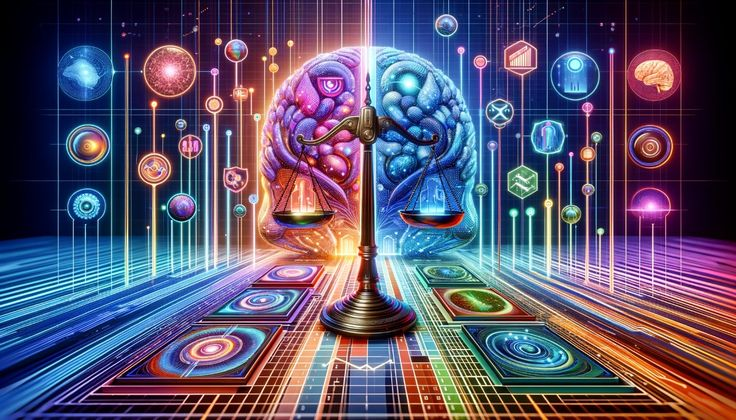
AI development also raises ethical concerns. Privacy, data security, and decision-making transparency are major issues in modern technology.
People should learn how organizations collect and use data. Responsible AI development requires fairness, accountability, and clear regulations.
Step 7: Prepare for Workplace Changes
Automation may replace certain repetitive jobs while creating new career opportunities in technology and innovation.
Workers can prepare by improving creative thinking, communication skills, and technical knowledge. Human skills such as leadership and emotional intelligence will remain valuable even in an AI-driven future.
Step 8: Use AI Responsibly
AI should be used to support human progress rather than create harm. Responsible use includes protecting personal data, avoiding misinformation, and ensuring fairness in automated systems.
Businesses and governments must work together to create ethical guidelines that balance innovation with public safety.
Benefits of Future of Artificial Intelligence
The future of artificial intelligence offers many advantages across industries and daily life.
- Improved efficiency and productivity
- Faster data analysis and decision-making
- Better customer experiences
- Reduced human error
- Advanced healthcare solutions
- Personalized education systems
- Smarter transportation and logistics
- Increased business automation
- Enhanced cybersecurity systems
- Improved scientific research capabilities
AI can also help small businesses compete more effectively by automating routine operations and improving customer support.
Disadvantages / Risks
Despite its advantages, artificial intelligence also presents several challenges and risks.
- Job displacement due to automation
- Privacy concerns related to data collection
- Cybersecurity threats and hacking risks
- Dependence on technology
- Ethical and legal concerns
- Bias in AI algorithms
- High implementation costs
- Reduced human interaction
- Potential misuse of AI systems
- Lack of transparency in decision-making
Addressing these challenges requires careful planning, ethical standards, and responsible innovation.
Common Mistakes to Avoid
Many people misunderstand artificial intelligence or make poor decisions when adopting AI technologies.
One common mistake is assuming AI can completely replace human intelligence. While AI can automate tasks and process information quickly, human creativity and emotional understanding remain essential.
Another mistake is ignoring data privacy. Organizations must protect user information and follow ethical data practices.
Some businesses also invest in AI without proper planning. Implementing AI systems without clear goals can waste time and resources.
Relying too heavily on automation is another problem. Human supervision is necessary to ensure accuracy and prevent harmful outcomes.
People also make the mistake of fearing AI without understanding its practical uses. Learning about AI applications and limitations helps create a more balanced perspective.
Finally, failing to update skills can limit future opportunities. As technology evolves, continuous learning becomes increasingly important.
FAQs
1. What is the future of artificial intelligence?
The future of artificial intelligence involves the continued development of intelligent systems that can automate tasks, improve decision-making, and support industries such as healthcare, education, finance, and transportation.
2. Will AI replace human jobs completely?
AI may automate repetitive jobs, but it is unlikely to replace all human roles. Many careers still require creativity, communication, leadership, and emotional intelligence.
3. How will AI affect daily life?
AI is expected to improve convenience through smart devices, personalized services, intelligent assistants, and automated systems that simplify everyday activities.
4. Is artificial intelligence safe?
AI can be safe when developed responsibly. However, concerns related to privacy, cybersecurity, and ethical use require strong regulations and proper oversight.
5. Which industries will benefit most from AI?
Industries such as healthcare, finance, education, manufacturing, transportation, and retail are expected to benefit significantly from AI technologies.
6. What skills are important for an AI-driven future?
Important skills include digital literacy, programming, data analysis, critical thinking, communication, creativity, and adaptability.
7. Can AI improve healthcare?
Yes, AI can assist doctors by analyzing medical data, detecting diseases earlier, and improving treatment recommendations for patients.
8. Why is AI becoming more popular?
AI is becoming more popular because it improves efficiency, reduces operational costs, and helps organizations make better decisions using data analysis.
Expert Tips & Bonus Points
Start learning about AI early, even if you are a beginner. Understanding basic concepts today can create valuable opportunities in the future.
Focus on practical learning rather than only theory. Exploring AI tools and real-world applications improves understanding faster.
Businesses should adopt AI gradually. Testing small projects before large investments can reduce risks and improve results.
Students and professionals should improve problem-solving and communication skills because these abilities remain valuable alongside technology.
Organizations should prioritize ethical AI practices. Transparency, fairness, and data protection build trust with customers and users.
Staying updated with technological trends is also important. AI evolves quickly, and continuous learning helps individuals remain competitive in changing industries.
Finally, remember that AI should support human progress rather than replace human values. The best future will come from combining intelligent technology with responsible decision-making.
Conclusion
The future of artificial intelligence is filled with opportunities, innovation, and transformation. AI is already changing industries by improving efficiency, automating tasks, and supporting smarter decision-making. As technology continues to advance, intelligent systems may become even more integrated into daily life, business operations, healthcare, education, and transportation.
At the same time, the growth of AI also creates important challenges. Privacy concerns, ethical issues, and workforce changes require careful attention from governments, businesses, and individuals. Responsible development will play a critical role in ensuring that artificial intelligence benefits society while minimizing risks.
Understanding the future of artificial intelligence is essential for anyone preparing for the digital age. Whether you are a student, entrepreneur, or working professional, learning about AI can help you adapt to changing technologies and discover new opportunities.
The future will likely involve collaboration between humans and intelligent systems rather than complete replacement. Human creativity, emotional understanding, and ethical judgment will remain valuable even in highly automated environments.
Artificial intelligence is not just a technological trend. It is becoming a powerful force that may shape the future of industries, economies, and everyday life. By learning, adapting, and using AI responsibly, people can take advantage of its benefits while building a smarter and more innovative future for generations to come.