
Introduction
The demand for digital creativity has increased rapidly over the last few years. Businesses, bloggers, designers, marketers, and content creators now need high-quality visuals every day. Creating professional images manually can take hours, especially for beginners who do not have advanced graphic design skills. This is where the best AI image generator tools have become incredibly useful.
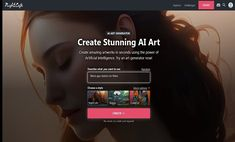
An AI image generator uses advanced machine learning technology to create images from text prompts or simple instructions. Instead of spending hours editing photos or designing graphics from scratch, users can generate unique visuals within seconds. These tools are changing the way people create content online.
Today, AI-generated images are used in social media posts, website banners, blog illustrations, digital ads, gaming projects, product mockups, and even educational presentations. The best part is that many of these tools are beginner-friendly and require no design experience.
Choosing the best AI image generator can feel overwhelming because there are many options available. Some focus on realistic artwork, while others specialize in creative illustrations, anime designs, or business graphics. Understanding how these tools work can help you select the right platform for your goals.
This complete guide explains everything you need to know about AI image generators, including their importance, benefits, risks, common mistakes, expert tips, and frequently asked questions. Whether you are a beginner or an intermediate user, this article will help you understand how to use AI image generation effectively.
What is Best AI Image Generator?
A best AI image generator is a software tool powered by artificial intelligence that creates images automatically from written prompts, descriptions, or uploaded references. These tools use deep learning models trained on large datasets of artwork, photography, and visual content.
When a user enters a text prompt such as “a futuristic city at sunset” or “a realistic portrait of a businessman,” the AI analyzes the request and produces a matching image within seconds. The quality and creativity of the output depend on the AI model, prompt quality, and customization options.
Many modern AI image generators allow users to select styles, colors, dimensions, lighting effects, and artistic themes. Some tools focus on realism, while others create fantasy art, cartoons, illustrations, or cinematic visuals.
Popular AI image generation platforms are commonly used by:
- Graphic designers
- Bloggers and content creators
- Social media marketers
- Business owners
- Students and educators
- Freelancers
- Video creators
- Game developers
The best AI image generator tools save time, improve creativity, and make professional image creation more accessible for everyone.
Why is Best AI Image Generator Important?
AI image generation technology is important because it simplifies the creative process while reducing costs and effort. Traditional design methods often require expensive software, professional training, and significant time investment. AI tools remove many of these barriers.
One major reason why the best AI image generator is important is speed. Businesses and creators need fresh content constantly. AI tools can generate multiple image variations in minutes, helping teams maintain productivity.
Another important factor is accessibility. Not everyone has professional design skills. AI image generators allow beginners to create visually impressive graphics without advanced editing knowledge.
These tools also support creativity. Users can experiment with different styles, concepts, and visual ideas quickly. This encourages innovation and helps creators explore new artistic directions.
The growing importance of digital marketing also increases the demand for visual content. Websites, advertisements, social media campaigns, and online stores all rely heavily on images to attract attention. AI-generated visuals help brands stand out in competitive markets.
In addition, AI image generators can reduce production costs. Small businesses and freelancers may not have large budgets for graphic designers or photographers. AI tools provide affordable alternatives while maintaining quality.
As technology continues evolving, AI-generated visuals are becoming more realistic and customizable, making them valuable across multiple industries.
Detailed Step-by-Step Guide
Step 1: Define Your Purpose
Before using an AI image generator, identify your goal clearly. Different projects require different image styles.
For example:
- Blog posts may need clean illustrations
- Social media content may require eye-catching graphics
- Product marketing may need realistic visuals
- Gaming projects may use fantasy artwork
Understanding your purpose helps you choose the right tool and generate better results.
Step 2: Choose the Right AI Image Generator

Selecting the best AI image generator depends on your needs and experience level.
Some tools specialize in realistic images, while others focus on artistic creativity. Compare platforms based on:
- Ease of use
- Pricing
- Image quality
- Customization features
- Resolution options
- Commercial usage rights
- Editing capabilities
Beginners should start with user-friendly platforms that offer simple interfaces and guided prompt suggestions.
Step 3: Create a Detailed Prompt
The quality of your prompt directly affects the final image.
A weak prompt like “beautiful landscape” may produce average results. A detailed prompt such as “a realistic mountain landscape during golden sunset with a calm lake and dramatic clouds” gives the AI more information.
Include details like:
- Colors
- Lighting
- Mood
- Style
- Camera angle
- Background
- Subject appearance
- Artistic theme
Specific prompts usually generate more accurate and visually appealing images.
Step 4: Select Image Style
Most AI image generators allow users to choose visual styles.
Common styles include:
- Realistic photography
- Digital art
- Anime
- Watercolor
- Oil painting
- Cyberpunk
- Minimalist design
- Cartoon illustration
Experimenting with styles can help you create unique and engaging visuals.
Step 5: Adjust Resolution and Dimensions
Different platforms require different image sizes.
For example:
- Instagram posts use square dimensions
- Website banners require wide layouts
- YouTube thumbnails need horizontal designs
- Print projects need high resolution
Choosing the correct dimensions ensures your visuals look professional on every platform.
Step 6: Generate Multiple Variations
Do not rely on the first generated image.
Most AI image tools allow you to create multiple variations from the same prompt. Testing different versions can help you discover better compositions, colors, and styles.
This process also improves creativity because small prompt adjustments often produce completely different results.
Step 7: Edit and Refine the Image
AI-generated images may still need improvements.
You can enhance results by:
- Cropping unnecessary elements
- Adjusting brightness and contrast
- Improving sharpness
- Adding text overlays
- Removing unwanted objects
- Enhancing colors
Combining AI generation with light editing usually creates more polished visuals.
Step 8: Check Usage Rights
Always review the platform’s commercial usage policy before publishing images.
Some tools allow full commercial rights, while others may have restrictions depending on subscription plans. Understanding licensing terms helps avoid copyright problems.
Step 9: Optimize Images for SEO
If you use AI-generated images on websites or blogs, optimize them properly.
Important optimization methods include:
- Compressing image size for faster loading
- Using descriptive file names
- Adding alt text
- Selecting the correct format
- Maintaining image quality
SEO optimization improves website performance and search visibility.
Step 10: Practice Prompt Engineering
Prompt engineering means learning how to write better prompts for AI tools.
The more you practice, the better your image results become. Study successful prompts, test new combinations, and analyze how different words affect outputs.
Over time, you will understand how to create highly professional visuals efficiently.
Benefits of Best AI Image Generator
Using the best AI image generator offers many advantages for creators, businesses, and beginners.
- Saves significant time during content creation
- Reduces graphic design costs
- Generates professional visuals quickly
- Supports creativity and experimentation
- Helps beginners create high-quality artwork
- Provides multiple image styles and themes
- Improves social media engagement
- Useful for blogs, ads, and websites
- Creates unique illustrations instantly
- Enhances productivity for marketing teams
- Allows rapid image customization
- Simplifies design workflows
- Produces content at scale
- Helps freelancers complete projects faster
- Supports branding and visual storytelling
These benefits make AI image generation one of the most valuable creative technologies available today.
Disadvantages / Risks
Although AI image generators offer many benefits, they also come with certain disadvantages and risks.
- Some images may contain visual errors
- Generated artwork can occasionally look unrealistic
- Copyright and ownership issues may arise
- Overuse of AI visuals may reduce originality
- Poor prompts can create low-quality outputs
- Certain tools may have expensive premium plans
- AI-generated faces can appear unnatural
- Ethical concerns exist around copied art styles
- Some platforms limit commercial rights
- Heavy dependence on AI may reduce creative skills
- Data privacy concerns may exist on certain platforms
- Generated content may require additional editing
Understanding these limitations helps users use AI technology more responsibly.
Common Mistakes to Avoid
Many beginners make simple mistakes while using AI image generation tools. Avoiding these problems can improve your results significantly.
Using Very Short Prompts
Short prompts often produce vague or inaccurate images. Detailed instructions usually generate better visuals.
Ignoring Image Dimensions
Wrong image sizes can reduce quality and create formatting problems on websites or social media platforms.
Overediting the Final Image
Excessive editing can make AI-generated visuals look unnatural. Keep adjustments balanced and professional.
Choosing the Wrong Style
Using a cartoon style for a professional business project may create inconsistency. Match the style with your audience and purpose.
Forgetting Copyright Policies
Always review licensing terms before using generated images commercially.
Depending Only on AI
AI tools are helpful, but human creativity still matters. Combining personal ideas with AI technology creates stronger content.
Not Testing Multiple Variations
The first result is not always the best. Experiment with several versions before selecting the final image.
Poor SEO Optimization
Large image files can slow down websites. Compress images and use descriptive alt text for better performance.
FAQs
1. What is the best AI image generator for beginners?
The best AI image generator for beginners is usually one with a simple interface, affordable pricing, and easy prompt controls. Beginner-friendly platforms often include templates, prompt suggestions, and customization features that simplify the creative process.
2. Are AI-generated images free to use?
Some AI image generators offer free plans, while others require subscriptions for advanced features. Commercial usage rights also vary depending on the platform, so always check licensing policies before using generated content publicly.
3. Can AI image generators create realistic photos?
Yes, many modern AI tools can create highly realistic images that closely resemble professional photography. However, image quality depends on the AI model, prompt quality, and editing process.
4. Do I need graphic design skills to use AI image generators?
No, most AI image generators are designed for beginners. Users only need to enter prompts and adjust settings. Basic creativity and prompt-writing skills are usually enough to create impressive visuals.
5. Are AI-generated images good for SEO?
Yes, AI-generated images can support SEO when optimized correctly. Use descriptive file names, alt text, compressed image sizes, and relevant visuals to improve website performance and engagement.
6. Can AI image generators replace graphic designers?
AI tools can speed up design work, but they cannot fully replace professional designers. Human creativity, branding strategy, storytelling, and advanced editing skills still play important roles.
7. How can I improve my AI-generated images?
You can improve AI-generated visuals by writing detailed prompts, testing multiple variations, selecting better styles, and using light editing for refinement.
8. Are AI image generators safe to use?
Most reputable AI image generators are safe, but users should still review privacy policies and avoid uploading sensitive personal information.
Expert Tips & Bonus Points
Professionals often use specific techniques to achieve better AI-generated visuals. These expert tips can help improve your results.
Write Cinematic Prompts
Using cinematic descriptions improves image quality.
For example, include:
- Dramatic lighting
- Ultra-realistic details
- Soft shadows
- High-resolution textures
- Professional photography style
These additions often create more visually attractive images.
Use Layered Prompt Structure
A strong prompt usually includes:
- Main subject
- Environment
- Style
- Lighting
- Camera angle
- Mood
Structured prompts help AI understand your vision more accurately.
Combine AI with Human Creativity
Do not rely entirely on automation. Add your own ideas, branding, storytelling, and editing techniques to make visuals unique.
Save Successful Prompts
Keep a library of prompts that produce high-quality images. This saves time and improves consistency for future projects.
Test Different AI Tools
Each platform has unique strengths. Some create realistic portraits better, while others excel at artistic illustrations.
Exploring multiple tools helps you discover the best option for your needs.
Focus on Branding Consistency
Businesses should maintain consistent colors, themes, and visual styles across all generated content.
This creates stronger brand identity and professional presentation.
Learn Basic Editing Skills
Even simple editing knowledge can improve AI-generated visuals dramatically. Understanding cropping, color correction, and composition helps create polished final results.
Stay Updated with Trends
AI technology changes quickly. Follow new developments, prompt techniques, and image design trends to stay competitive.
Conclusion
The best AI image generator tools are transforming digital creativity by making professional image creation faster, easier, and more accessible. Whether you are a blogger, marketer, business owner, student, or freelancer, these tools can help you produce high-quality visuals without advanced design experience.
AI image generators save time, reduce costs, and support creative experimentation. They allow users to generate realistic photos, artistic illustrations, marketing graphics, and social media content within seconds. At the same time, understanding prompt writing, image optimization, and licensing rules is essential for achieving the best results.
Although AI-generated visuals offer impressive advantages, they should be used thoughtfully. Human creativity, originality, and editing skills still play important roles in producing truly engaging content. Combining AI efficiency with personal creativity often delivers the strongest outcomes.
As artificial intelligence technology continues improving, AI image generators will become even more advanced and widely used across industries. Learning how to use these tools today can provide valuable skills for content creation, digital marketing, branding, and online business growth.
By following the strategies, tips, and best practices explained in this guide, beginners and intermediate users can confidently explore the world of AI-generated visuals and create professional images more effectively.